Dr. Vivek Sukumar

What is retroperitoneal sarcoma?

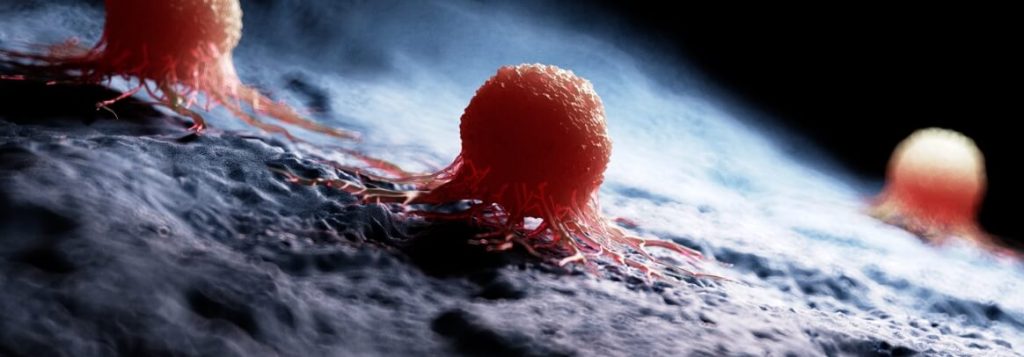
Sarcoma is a rare type of cancer that develops from the body’s connective tissues, such as fat, muscle, blood vessels and fibrous tissue. Once of the most common sites affected by sarcomas is the retroperitoneum. These tumours have the tendency to grow to very large sizes before causes symptoms.


What are the symptoms of retroperitoneal sarcoma?

The symptoms are vague and non-specific. The symptoms would depend on the location of the tumour and the involvement of blood vessels as well the involvement of adjacent structures.

Types of retroperitoneal sarcoma

The most common type of retroperitoneal sarcomas are the Liposarcomas and Leiomyosarcomas. There are rarer types of tumour which include tumours which arise from the fibrous tissues and nerve sheaths.

What are the investigations performed to diagnose a retroperitoneal sarcoma?

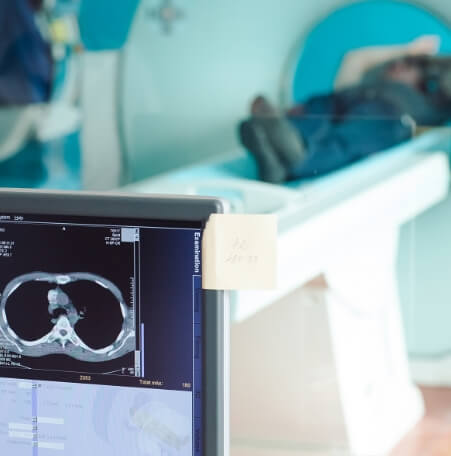
The diagnosed is established using a CT scan and a biopsy from the lesion. The imaging features of most of these retroperitoneal cancers are unique which helps us make a diagnoses occasionally without a biopsy. The CT scan of the Chest is also taken to determine spread beyond the primary site. Occasionally an MRI is required to determine the relationship to adjacent structures prior to surgery

What is the treatment for retroperitoneal sarcoma?

The mainstay of the treatment of retroperitoneal sarcoma is surgery. Removal of the lesion itself may not be sufficient and all the structures in that particular compartment of the retroperitoneum is removed along with the tumour.

Why are compartment excision challenging?

Retroperitoneal sarcoma tumors can grow to a very large size and press against or spread into surrounding organs and major blood vessels. Surgery may involve removing one kidney, a portion of the large intestines or colon, excision and reconstruction of major blood vessels. The surgeon performing these surgeries must be trained and experienced in performing these complex procedures.