Dr. Vivek Sukumar

What Is Minimally Invasive Esophagectomy (MIE)?

Esophagectomy entails removal of the esophagus usually along with a small part of the stomach. This can be performed via an open technique or via minimal invasive approach i.e Thoracoscopy and Laparoscopy or Robotic Surgery. In minimal access approach, the surgery is performed via small incision with the help of a camera to visualise the field of surgery.

What are the Benefits of Minimally Invasive Esophagectomy?

Minimally invasive surgery results in lesser pain, shorter recovery times and improved quality of life which helps the individual to get back to a normal activities.

What are the diagnostic tests prior to surgery?

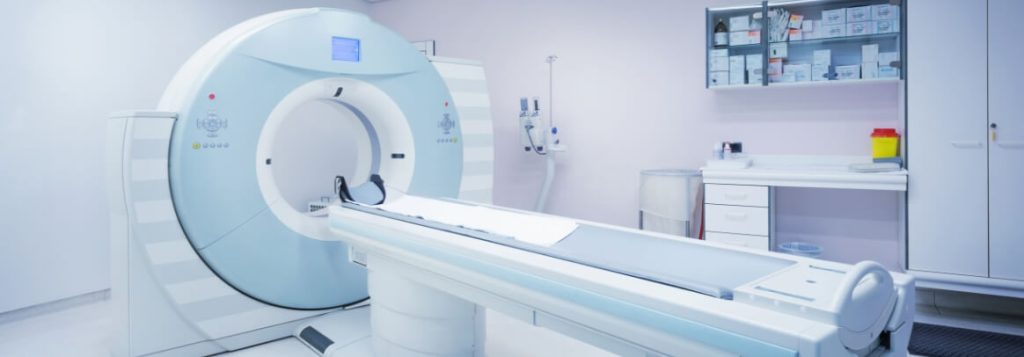
The diagnostic tests who include an upper GI endoscopy, a bronchoscopy if there si a doubt of involvement of the trachea or bronchus prior to surgery. A good CT scan is essential to visualise the relationship of the esophageal cancer to vitals structures like the trachea, veseels and the presence of lymph nodes.


The pulmonary function of the patient is usually assessed using a pulmonary function test and a 6 minute walk test prior to surgery.

Is surgery performed for all Esophageal cancer?

If the disease is locally advance, generally patients undergo a course of chemotherapy or a course of neoadjuvant chemoradiation prior to surgery.

If the cancer has spread to other organs with signs of metastases then surgery is not performed.